
301 S. Court St Crown Point, IN 46307

(219) 327-4448

Comprehensive Dental Care
  • About
    • Meet Our Doctor
  • Services
    • Cosmetic Dentistry
      • Dental Crowns
      • Dentures
      • Teeth Whitening
      • Tooth Fillings
    • Emergency Dentistry
    • General Dentistry
      • Dental Bridges
      • Dental Cleaning And Exams
      • Dental Sealants
      • Digital X-Rays
      • Oral Cancer Screening
      • Periodontal Gum Disease
      • Root Canal Therapy
      • Scaling and Root Planing
      • Tooth Extractions
      • Pediatric Dentistry
  • New Patients
  • Financing & Insurance
  • Blog
  • Contact
Book An Appointment
  • Preventing Tooth Decay Step by Step Guide

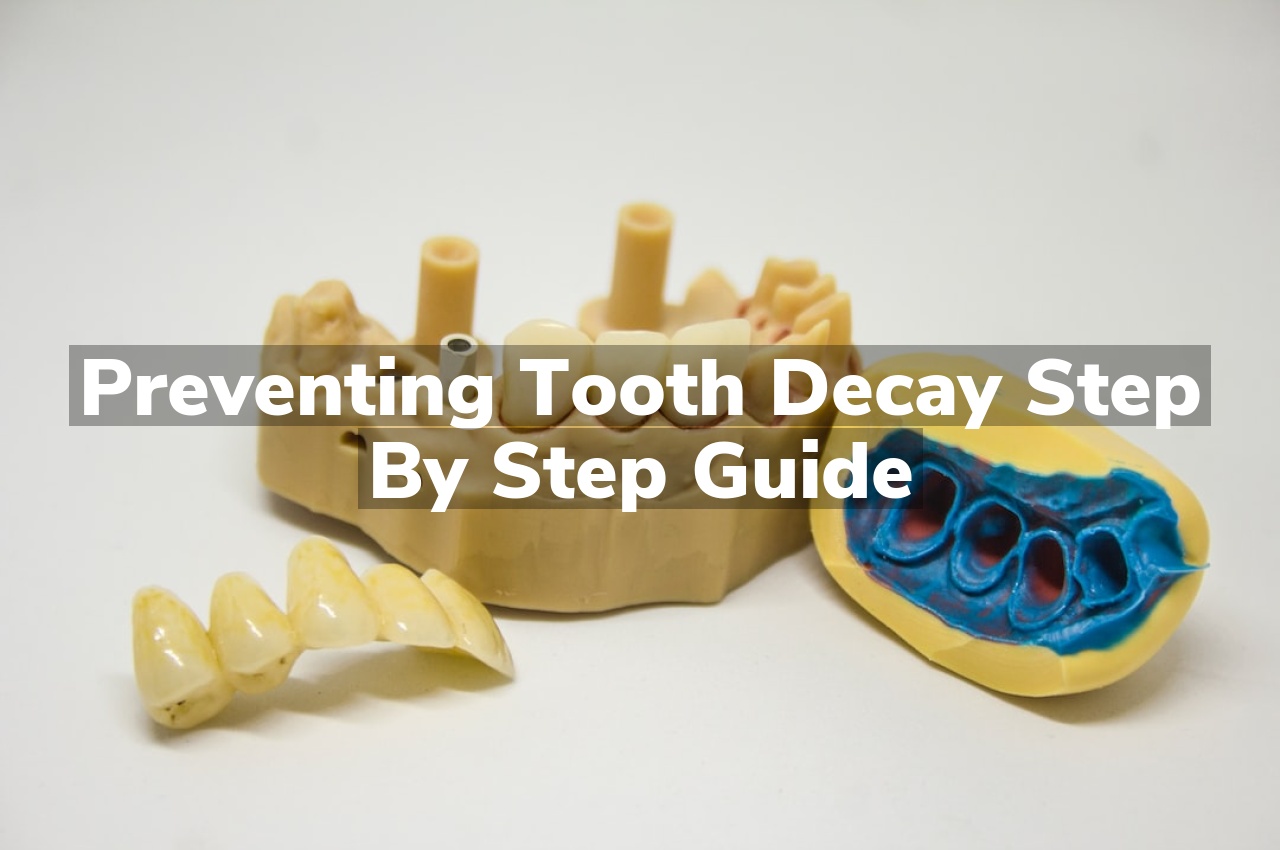
    Preventing Tooth Decay Step by Step Guide

    Are you looking for a step by step guide to preventing tooth decay? Comprehensive Dental Care has the answers you need to keep your teeth and gums healthy for years to come.

    Brushing Basics

    Good oral hygiene is essential for preventing tooth decay. One of the most important steps in maintaining healthy teeth and gums is brushing your teeth at least twice a day. To get the most benefit from your brushing, use a soft-bristled toothbrush and a fluoride toothpaste. Make sure to brush your teeth for two minutes each time, making sure to reach all areas of your mouth. Pay special attention to the gum line and the back teeth, as these areas are more prone to decay. If you need additional help, there are a variety of Natural Dental Care Tips and Tricks that can help you brush your teeth effectively.

    Another key step in preventing tooth decay is flossing. Flossing helps remove plaque and food particles from between the teeth and around the gum line. Make sure to floss at least once a day, using a gentle sawing motion. This will help reduce the risk of cavities and gum disease. If you are unsure how to floss properly, your dentist can show you the correct technique.

    Diet Tips for Preventing Tooth Decay

    Eating a balanced diet is one of the most important steps in preventing tooth decay. Sugary and starchy foods are the main culprits when it comes to tooth decay, so it’s important to limit your intake of these. Eating a variety of fruits and vegetables, as well as foods high in calcium, like yogurt, cheese, and milk, can help keep your teeth healthy. Additionally, it’s important to drink plenty of water to help keep your mouth clean and to rinse away any food particles that may be stuck in your teeth.

    It’s also important to limit snacking, as the bacteria in your mouth use the sugar in snacks to produce acids that can damage your teeth. If you do snack, try to stick to crunchy fruits and vegetables, or dairy products like cheese, which can help to neutralize the acids in your mouth. If you’re ever in need of emergency dental care, you can visit Emergency Dentistry Crown Point for help.

    Flossing Strategies

    Flossing is an essential part of any oral hygiene routine and is key in preventing tooth decay. For best results, floss at least once a day and make sure to use a gentle sawing motion to get between the teeth and gums. Additionally, use a waxed floss to make it easier to slide between the teeth and use a fresh section of floss for each tooth to maximize effectiveness. Following these practices can help keep your teeth healthy and decay-free.

    Mouthwash Use

    Mouthwash is an important part of a dental hygiene routine and can help reduce the risk of tooth decay. Using a mouthwash that contains fluoride can help strengthen teeth and protect against cavities. It is important to use mouthwash according to the instructions on the label, usually once or twice a day for optimal results. Additionally, it is important to wait at least 30 minutes after brushing before using mouthwash to ensure that the fluoride from the toothpaste is absorbed into the teeth.

    Professional Cleanings

    Professional cleanings are an essential part of preventing tooth decay and maintaining good oral health. Regular visits to the dentist for professional cleanings can help remove plaque and tartar buildup, prevent cavities, and identify any potential problems early on. Be sure to visit your dentist at least twice a year for a professional cleaning and checkup.

    Conclusion

    For more information on preventing tooth decay, contact Comprehensive Dental Care at 219-663-1207 or read reviews on Google Maps.

    Kickstart

    December 15, 2023
  • Natural Dental Care Tips and Tricks

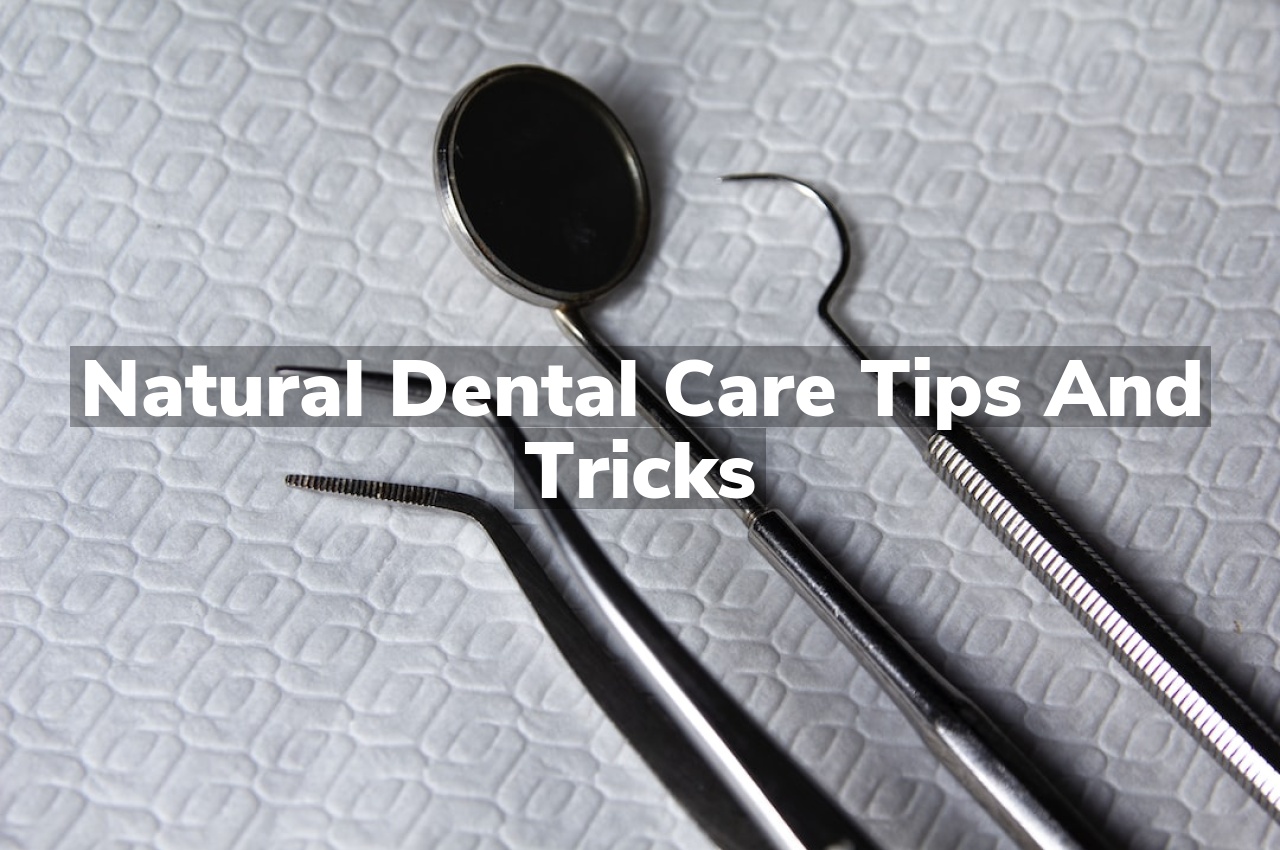
    Natural Dental Care Tips and Tricks

    Are you looking for ways to improve your dental health using natural methods? Comprehensive Dental Care is here to provide you with the best tips and tricks for natural dental care.

    Brushing Techniques

    When it comes to natural dental care, proper brushing techniques are key. To keep teeth and gums healthy, it’s important to brush at least twice a day and floss at least once a day. When brushing, use a soft-bristled toothbrush and an ADA-accepted fluoride toothpaste. Place the toothbrush at a 45-degree angle against the gum line and brush in a circular motion. Make sure to brush all surfaces of the teeth, including the front, back, and chewing surfaces. Don’t forget to brush your tongue too!

    If bad breath is a problem, it’s important to practice good oral hygiene. Poor oral hygiene can lead to the buildup of bacteria, which can cause bad breath. To help prevent and treat halitosis naturally, use strategies like brushing and flossing regularly, drinking plenty of water, and avoiding sugary and acidic foods. For more strategies to prevent and treat halitosis naturally, check out Strategies to Prevent and Treat Halitosis.

    Flossing Strategies

    Flossing is an important part of any natural dental care routine. It helps to remove food particles and plaque from between the teeth and along the gum line, which can help to prevent cavities and gum disease. To get the most out of your flossing routine, it is important to use the correct technique. Start by cutting off a piece of floss that is about 18 inches long, and winding it around your middle fingers. Then, use your index fingers and thumbs to hold the floss taut and gently slide it between your teeth. Curve the floss around the base of each tooth and move it up and down several times to remove any food particles or plaque. Be sure to floss both sides of each tooth and use a clean section of floss for each tooth.

    If you experience any pain or discomfort while flossing, it is important to contact your dentist right away. They can provide advice on proper flossing techniques and help to diagnose any underlying issues. For urgent dental care in Crown Point, Indiana, consider visiting an emergency dentist. They can provide same-day treatment and help to relieve any discomfort. Visit the Emergency Dentistry page to learn more.

    Diet Habits

    When it comes to natural dental care, diet habits are often overlooked. However, what you eat and drink can have a major impact on your dental health. Eating a balanced diet that includes foods like fruits, vegetables, and dairy products can help keep your teeth and gums healthy. Avoiding sugary snacks and drinks is also important, as they can increase your risk of cavities. Additionally, foods high in calcium, such as nuts, can help strengthen teeth and promote healthy gums.

    Professional Care

    Regular professional care is essential for maintaining healthy teeth and gums. Visiting your dentist every 6 months for a checkup and cleaning can help prevent cavities and other dental problems. Your dentist can also provide advice on how to improve your dental care routine and provide tips for natural dental care.

    Home Remedies

    Home remedies are an effective and natural way to take care of your teeth and gums. Some of the most popular home remedies for dental care include brushing with baking soda, gargling with salt water, and using hydrogen peroxide as a mouthwash. Additionally, a diet high in vitamin C and calcium can help strengthen your teeth and gums. Make sure to talk to your dentist before trying any home remedies to make sure they are safe for your specific dental needs.

    Conclusion

    For more information on preventing tooth decay, contact Comprehensive Dental Care at 219-663-1207 or read reviews on Google Maps.
    Kickstart

    December 15, 2023
  • Strategies to Prevent and Treat Halitosis

    Strategies to Prevent and Treat Halitosis

    Are you looking for strategies to prevent and treat halitosis? Comprehensive Dental Care can help you identify the underlying causes of bad breath and create an effective treatment plan to restore your oral health.

    Brush Teeth

    Brushing your teeth is the most important step in preventing and treating halitosis. It is important to brush your teeth twice a day, for two minutes each time. This will help to remove plaque and bacteria which can cause bad breath. Additionally, flossing and using an antibacterial mouthwash can help to reduce the amount of bacteria in your mouth. If you wear dentures, it is important to clean them regularly to prevent halitosis. Home Care for Broken False Teeth can help to keep your dentures clean and your breath fresh.

    If you are unable to brush your teeth, chewing sugar-free gum can help to reduce the amount of bacteria in your mouth. This will help to reduce the amount of bad breath you have. Additionally, drinking plenty of water can help to keep your mouth moist and reduce the amount of bacteria present.

    Floss Daily

    Flossing is an essential part of any good oral hygiene routine. Flossing helps to remove food particles and plaque buildup from between teeth and along the gum line that a toothbrush cannot reach. This reduces the risk of halitosis, or bad breath, by removing the bacteria that causes it. Flossing daily is the best way to prevent and treat halitosis.

    It is important to use the correct technique when flossing. Start by breaking off about 18 inches of floss and wind it around your middle fingers. Hold the floss tightly between your thumbs and index fingers and slide it gently between your teeth. Curve the floss around the base of each tooth and slide it up and down the side of the tooth. Be sure to floss both sides of each tooth and to use a fresh section of floss for each tooth. If you are having difficulty flossing, you may want to visit a dentist such as Comprehensive Dental Care for help.

    Mouthwash Use

    Mouthwash can be an effective tool for treating and preventing halitosis. Using a mouthwash that contains antibacterial and antifungal agents can help to reduce the amount of bacteria in the mouth, reducing the odors associated with bad breath. Additionally, some mouthwashes are designed to neutralize the odors associated with bad breath, leaving your mouth feeling fresh and clean. Be sure to read the directions on the mouthwash you choose, as some may require you to rinse for longer than others.

    Regular Checkups

    Regular checkups with your dentist are essential for preventing and treating halitosis. During your checkup, your dentist can check for any underlying issues that may be causing your bad breath, such as gum disease or cavities. They can also provide advice on how to improve your oral hygiene routine and suggest any necessary treatments. Regular checkups can help to ensure that any issues are caught early and treated promptly, reducing the risk of halitosis.

    Diet Changes

    Making changes to your diet can be an effective way to prevent and treat halitosis. Eating crunchy fruits and vegetables, such as apples, celery, and carrots, can help cleanse the mouth and remove odors. Additionally, chewing sugar-free gum can help stimulate saliva production, which helps to reduce bacteria in the mouth. Avoiding foods that are high in sulfur, such as garlic and onions, can also help reduce bad breath.

    Conclusion

    For more information on preventing tooth decay, contact Comprehensive Dental Care at 219-663-1207 or read reviews on Google Maps.
    Kickstart

    December 15, 2023
  • Home Care for Broken False Teeth

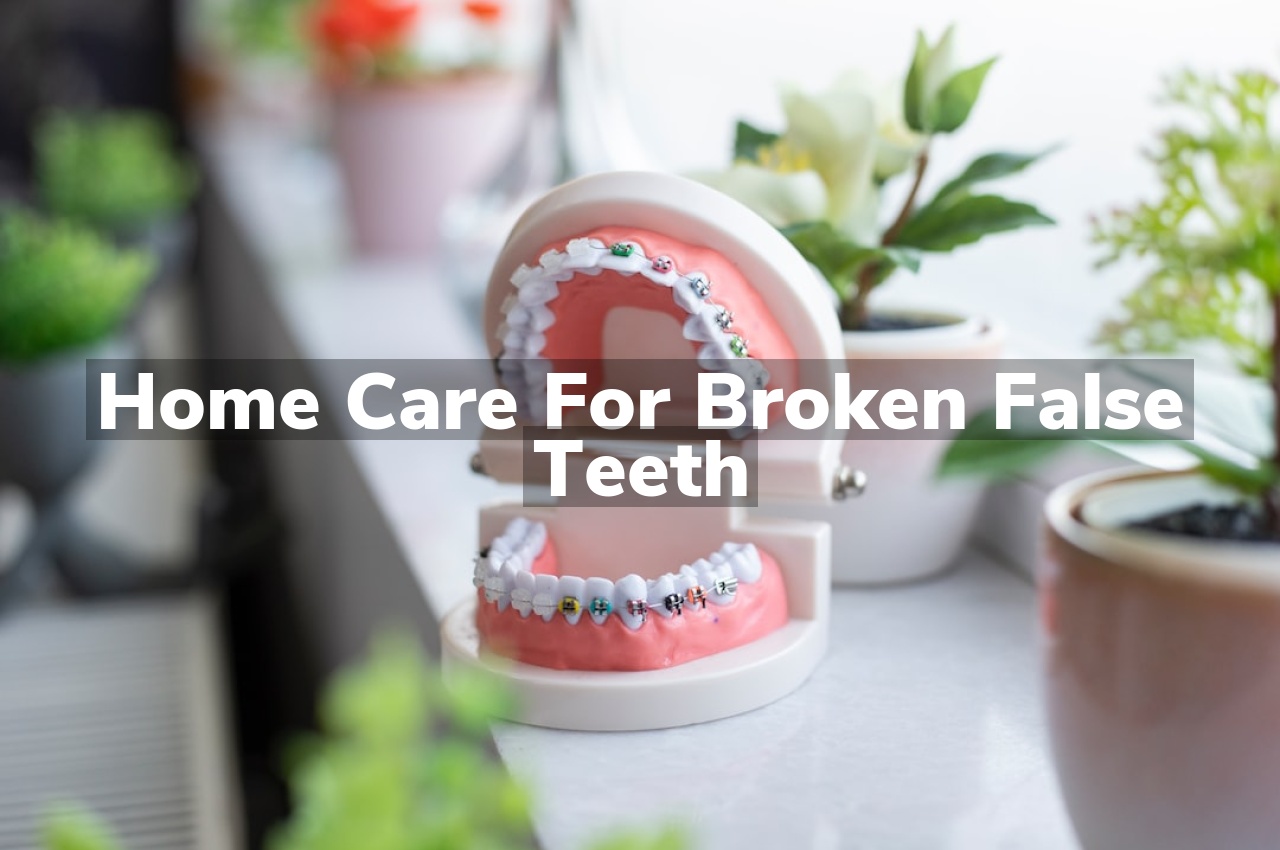
    Home Care for Broken False Teeth

    Have you ever experienced a broken false tooth? Wondering what you can do about it? Comprehensive Dental Care is here to help. Our team of experts can provide you with the best home care tips and advice to get your false teeth back in shape.

    Cleaning

    When caring for broken false teeth, one of the most important things to remember is to keep them clean. Plaque can build up on false teeth just like it does on natural teeth, so it is important to brush and floss at least twice a day. It is important to use a soft-bristled toothbrush and a fluoride toothpaste to ensure that the false teeth are not damaged. If the false teeth are connected to a metal wire, be sure to use a brush with a small head to ensure that the wire is not damaged. Additionally, using a water flosser can help to remove plaque and debris from areas that a regular toothbrush may miss. For more information on plaque removal without tooth extraction, visit Plaque Removal Without Tooth Extraction.

    Another important part of cleaning false teeth is to soak them in a denture cleaning solution. This solution can be purchased at most drugstores and should be used according to the instructions on the package. Soaking the false teeth in the solution will help to remove any plaque and bacteria that may have built up over time. Additionally, it is important to rinse the false teeth thoroughly after soaking them in the solution to ensure that all of the cleaning solution has been removed.

    Repairing

    At-home care for broken false teeth is possible in some cases, but should only be done with the guidance of a dental professional. A broken false tooth can be repaired if it is a minor break, such as a crack or chip. In this case, a dental professional may be able to use composite resin to repair the false tooth. This process involves filling in the damaged area with the resin and then polishing it to match the rest of the tooth.

    If the damage is more severe, a dental professional may suggest replacing the false tooth with a new one. This is a more reliable option, as it ensures the false tooth will fit properly and look natural. If a replacement is needed, it is important to visit a dental professional as soon as possible, as this will help prevent further damage. For more information on emergency dentistry, visit our page on Dentistry Emergency Crown Point.

    Replacing Broken False Teeth

    Broken false teeth can be replaced with a new set of dentures or a dental bridge. Depending on the severity of the damage, your dentist may be able to repair the broken dentures. However, if the damage is beyond repair, a new set of dentures will be needed. Your dentist can provide advice on the best type of replacement for your individual situation.

    Cost Considerations

    When considering home care for broken false teeth, it is important to factor in the cost of the repair. Depending on the severity of the damage, the cost of the repair can vary significantly. It is important to speak to a professional to determine the best and most cost-effective option for your home care needs. In some cases, a full replacement may be the most cost-effective solution.

    Dental Insurance

    When it comes to broken false teeth, dental insurance can be a great help. It’s important to check with your insurance provider to find out what kind of coverage is available, as some plans may cover the cost of a new denture or partial, while others may offer discounts on the cost of repairs. Knowing what your insurance covers can help you save money and reduce the financial burden of replacing or repairing broken false teeth.

    Conclusion

    For more information on preventing tooth decay, contact Comprehensive Dental Care at 219-663-1207 or read reviews on Google Maps.
    Kickstart

    December 15, 2023
  • Plaque Removal Without Tooth Extraction

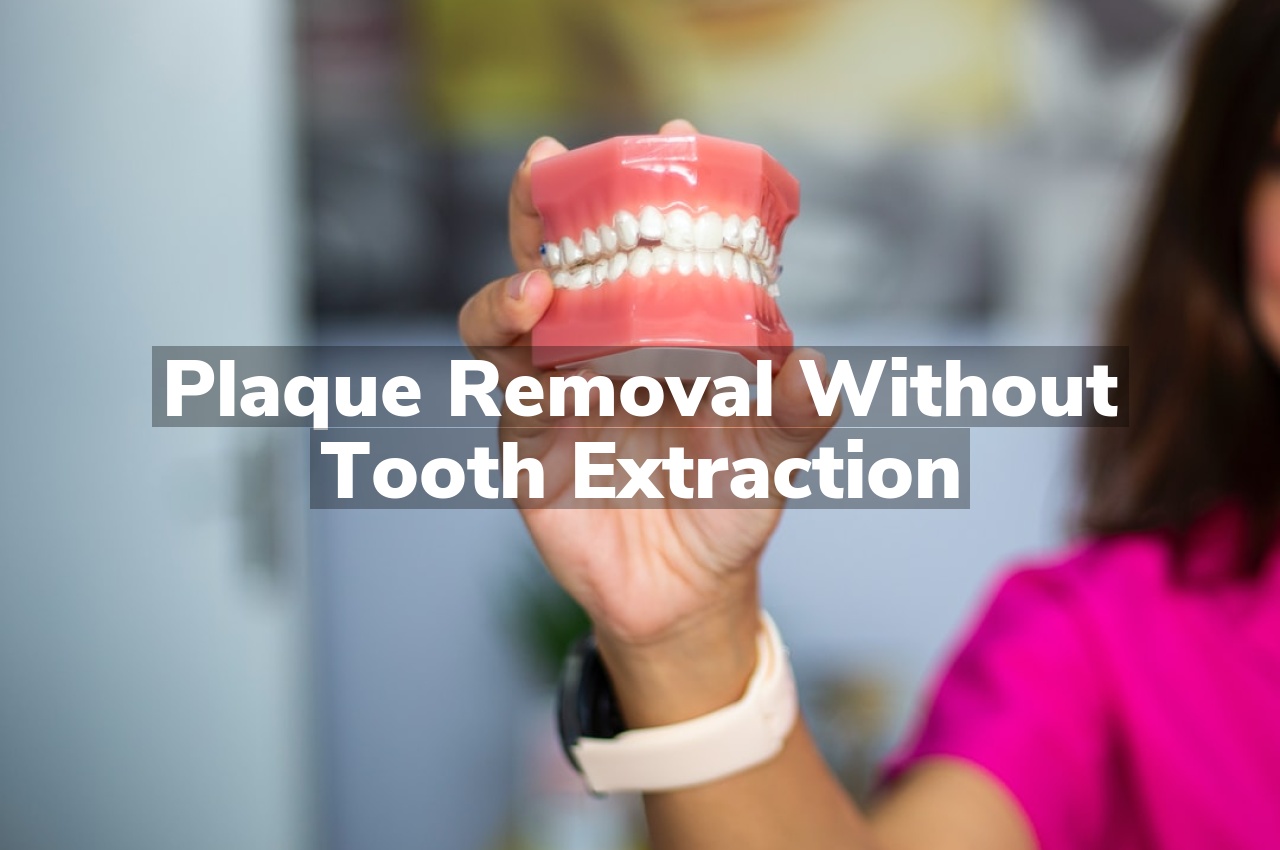
    Plaque Removal Without Tooth Extraction

    Have you ever wondered if it’s possible to remove plaque without extracting teeth? At Comprehensive Dental Care, our team of experienced dentists offer plaque removal without tooth extraction, so you can keep your natural teeth healthy and strong.

    Non-Surgical Techniques

    Removing plaque without tooth extraction is possible with a variety of non-surgical techniques. The most common and effective method is to brush and floss regularly. This helps to remove plaque build-up and prevents the formation of new plaque. Additionally, your dentist may recommend a professional cleaning or scaling to remove plaque that has built up on your teeth. This procedure is usually done with a special tool that scrapes away the plaque.

    Another non-surgical technique is the use of fluoride treatments. Fluoride helps to strengthen the enamel of your teeth and prevent plaque from forming. Your dentist may recommend a fluoride treatment or you can get one over-the-counter. Finally, you can also help prevent plaque from forming by practicing good oral hygiene habits and visiting your dentist regularly for check-ups. By following these simple steps, you can help keep your teeth healthy and free from plaque. For more information on how to prevent tooth decay, check out our Preventing Tooth Decay Step by Step Guide.

    Laser Therapy

    Laser therapy is a safe and effective method for removing plaque and tartar buildup on teeth without the need for tooth extraction. This procedure uses a special laser to break down the plaque and tartar on the tooth surface, allowing it to be easily removed. The laser also helps to reduce inflammation and swelling, as well as reduce the risk of infection. Laser therapy is a quick and painless procedure that can be completed in one visit to the dentist.

    The laser is also used to help clean and disinfect the area around the tooth, reducing the risk of infection and helping to speed up the healing process. With laser therapy, patients can enjoy a healthier, brighter smile and improved oral health in a short amount of time. For more information on laser therapy and other emergency dentistry services, visit Comprehensive Dental Care service page.

    Cost Considerations

    Removing plaque without the need for tooth extraction can be a more affordable option than traditional treatments. Depending on the severity of the issue, a dentist may be able to provide a less expensive solution than extraction. Additionally, the cost associated with replacing a missing tooth can be quite expensive, so it is important to consider the cost of the procedure before deciding which route to take.

    Home Remedies

    Plaque removal can be achieved without tooth extraction by using home remedies. This includes brushing and flossing regularly, as well as using baking soda, hydrogen peroxide, and apple cider vinegar to help reduce plaque buildup. Additionally, using a natural mouthwash such as green tea or aloe vera can help to reduce bacteria in the mouth and help to prevent plaque from forming. Eating foods high in fiber, such as apples, celery, and carrots, can also help to reduce plaque buildup. Lastly, using a tongue scraper can help remove bacteria and food debris from the tongue, further reducing plaque buildup.

    Aftercare Advice

    Once plaque has been removed from your teeth, it is important to take the necessary steps to ensure it does not build up again. To keep your teeth healthy and plaque-free, brush and floss at least twice a day. Additionally, make sure to visit your dentist for regular check-ups and cleanings. This will help to keep your teeth and gums healthy and free of plaque.

    Conclusion

    For more information on preventing tooth decay, contact Comprehensive Dental Care at 219-663-1207 or read reviews on Google Maps.
    Kickstart

    December 15, 2023
  • How to Avoid Costly Dental Problems

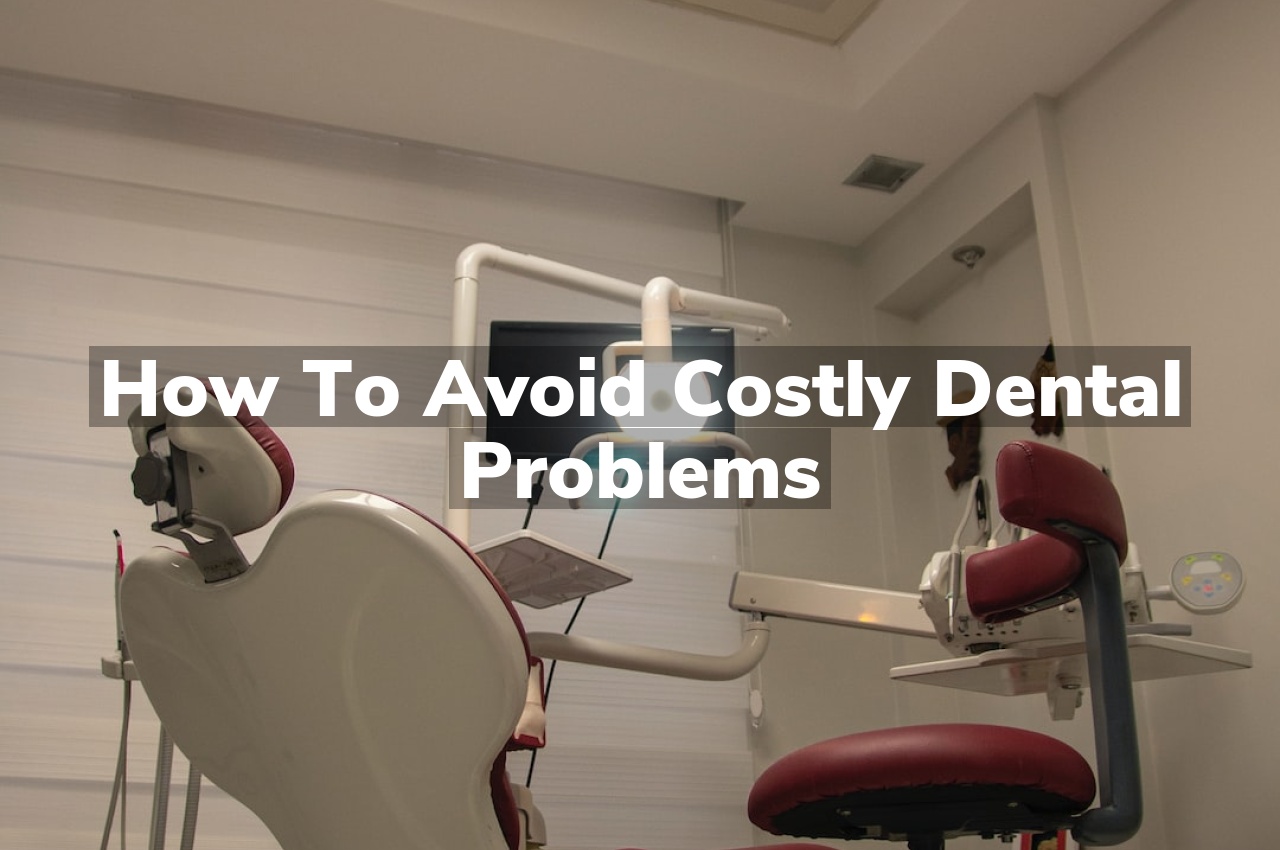
    How to Avoid Costly Dental Problems

    Have you ever wondered how to avoid costly dental problems? Comprehensive Dental Care is here to help you understand the importance of preventive care and how to take good care of your teeth and gums.

    Regular Dental Checkups

    Regular dental checkups are an important part of preventive care. They help to identify problems before they become serious and can save you both time and money. During a regular checkup, your dentist will examine your teeth, gums, and mouth for signs of decay or disease. They may also take x-rays to identify any underlying issues. If any problems are found, they can be treated quickly before they become more serious and costly.

    By visiting a family dentist for regular checkups, you can help to ensure that your teeth stay healthy and your family remains in good oral health. Prevention is key when it comes to avoiding costly dental problems, and regular checkups are a great way to ensure that your family is receiving the best care. To learn more about the importance of family dentistry, be sure to read our article Family Dentistry: A Smart Investment for Your Family’s Health.

    Proper Oral Hygiene

    Having proper oral hygiene is essential to avoiding costly dental problems. It is important to brush your teeth at least twice a day and floss daily. Brushing and flossing will help to remove plaque, bacteria, and food particles that can cause tooth decay, bad breath, and gum disease. Additionally, using a tongue scraper can help to reduce the bacteria that can cause bad breath.

    It is also important to visit your dentist regularly for check-ups and cleanings. During these visits, the dentist can detect any problems that may be developing and can provide preventative treatments to avoid more costly and invasive treatments in the future. At Comprehensive Dental Care, they offer comprehensive dental care and preventive services to help keep your teeth and gums healthy.

    Healthy Diet

    A healthy and balanced diet is essential for good oral health. Eating a variety of foods from all the food groups, limiting sugary snacks and drinks, and cutting down on acidic foods can help keep your teeth and gums strong and healthy. Eating crunchy fruits and vegetables like apples and carrots can also help to scrub away bacteria and food debris from your teeth. Drinking plenty of water can also help to keep your mouth hydrated and clean.

    Avoid Tobacco Use

    Tobacco use is one of the leading causes of dental problems, including tooth discoloration, bad breath, gum disease and even tooth loss. Quitting tobacco use is the best way to avoid costly dental problems and improve your overall health. Talk to your dentist about resources to help you quit and make sure to keep up with regular dental check-ups.

    Wear Protective Gear

    Protective gear is an essential part of avoiding costly dental problems. When engaging in contact sports, it is important to wear a mouthguard to protect your teeth from impact. Wearing a helmet when riding a bike or scooter can also prevent serious dental trauma. Lastly, it is important to wear safety goggles when participating in activities that involve flying objects. By wearing protective gear, you can avoid costly dental treatments and keep your teeth healthy.

    Conclusion

    For more information on how to keep your child’s smile healthy during the winter, contact Comprehensive Dental Care at 219-663-1207 or read reviews on Google Maps.

    Kickstart

    November 7, 2023
  • Family Dentistry: A Smart Investment for Your Family’s Health

    Family Dentistry: A Smart Investment for Your Family’s Health

    Have you ever wondered if family dentistry is a smart investment for your family’s health? Comprehensive Dental Care believes that family dentistry is an essential part of preventative healthcare that can help your family stay healthy and happy.

    The Benefits of Family Dentistry

    Comprehensive Dental Care offers a wide range of advantages for patients of all ages. From comprehensive checkups and cleanings to preventive care and more, family dentists provide a wide range of services to help protect your family’s dental health. Regular visits to the family dentist can help detect potential issues early and prevent serious dental problems from developing. Family dentists also provide educational information to help you and your family make informed decisions about your oral health.

    Investing in family dentistry is an important part of maintaining your family’s oral health. With regular checkups and preventive care, you can ensure that your family’s teeth and gums stay healthy and strong. For tips on how to keep your child’s smile healthy in the winter months, check out our Top 5 Tips for Keeping Your Child’s Smile Healthy in the Winter.

    The Cost-Effectiveness of Family Dentistry

    Family dentistry is a great way to invest in the long-term health of your family. Not only will it help keep your family’s smiles healthy and beautiful, but it can also save you money in the long run. Regular check-ups and cleanings can help prevent costly treatments down the line, and many family dentists offer discounts for multiple family members. By investing in family dentistry, you can save money and ensure your family’s oral health is taken care of.

    Comprehensive Dental Care provide a wide range of services, from preventive care to complex treatments. They also offer a variety of payment options, including payment plans and discounts for multiple family members. This makes it easier to budget for family dentistry services and keep costs in check. With a family dentist, you can be sure that your family’s oral health is in good hands and you’ll be able to save money in the process. Family Dentistry Services are a smart investment for your family’s health.

    The Importance of Regular Check-Ups

    Regular check-ups with a family dentist are essential for maintaining your family’s oral health. Not only do regular check-ups help detect and prevent cavities, but they can also detect signs of other serious health conditions such as diabetes and heart disease. A family dentist can also provide preventive care such as cleanings and sealants, which are essential for keeping your family’s teeth and gums healthy. Regular check-ups are also important for catching and treating any problems early on, allowing your family dentist to provide the most effective treatment to ensure your family’s oral health.

    Prevention and Early Detection of Oral Health Problems

    Family dentistry is a great way to ensure your family’s oral health is well taken care of. Regular visits to the family dentist can help prevent and detect oral health problems before they become more serious. Prevention measures like regular cleanings, sealants, and fluoride treatments can help protect your family’s teeth from decay and cavities, while early detection of any potential issues can help you address them quickly and effectively. Find a family dentist today to start taking proactive steps to protect your family’s oral health.

    Tips for Finding the Right Family Dentist

    When looking for a family dentist, it is important to find one that is experienced and has a good reputation. Ask friends and family for referrals, and look for a dentist that has had good reviews online. Check to see if they are a member of any professional organizations, and make sure they are up-to-date on the latest treatments and technologies. Also, make sure that the dentist is willing to answer any and all questions you may have.

    Conclusion

    For more information on how to keep your child’s smile healthy during the winter, contact Comprehensive Dental Care at 219-663-1207 or read reviews on Google Maps.
    Kickstart

    November 7, 2023
  • Top 5 Tips for Keeping Your Child’s Smile Healthy in the Winter

    Top 5 Tips for Keeping Your Child’s Smile Healthy in the Winter

    Are you looking for tips to help keep your child’s smile healthy during the winter? Comprehensive Dental Care has compiled a list of the top 5 tips to help you ensure your child’s teeth and gums stay healthy and strong during the winter months.

    Brush Twice a Day

    One of the most important tips for keeping your child’s smile healthy in the winter is to brush their teeth twice a day with a fluoride toothpaste. Brushing in the morning and before bed is key for removing plaque and preventing cavities. Teaching your child to brush their teeth properly is also important for protecting their smile. Make sure you supervise their brushing and brush for them if they’re too young. Additionally, you can make brushing more enjoyable for your child by playing music or singing songs.

    Another great tip for keeping your child’s smile healthy in the winter is to take them to the dentist. Regular dental visits are important for keeping your child’s teeth and gums healthy. If your child is apprehensive about going to the dentist, there are ways to make the experience more enjoyable for them. For example, you can read books about going to the dentist or talk to them about the importance of dental visits. You can also find Tips for Getting Your Kids to Love Going to the Dentist online.

    Use Fluoride Toothpaste

    Using a fluoride toothpaste is an important part of keeping your child’s smile healthy during the winter months. Fluoride helps to strengthen tooth enamel, making it more resistant to cavities and decay. When choosing a toothpaste for your child, look for one that contains at least 1,000 parts per million of fluoride. Additionally, it is important to ensure that your child is brushing with the proper technique. Help them brush for two minutes twice a day and be sure to supervise them to ensure they are brushing all surfaces of their teeth.

    At Comprehensive Dental Care, we offer complete dental care for the entire family. Our experienced team of dental professionals is dedicated to helping you and your family maintain healthy smiles. We provide preventive care including fluoride treatments and sealants to help protect your child’s teeth from cavities and decay. Contact us today to learn more about our family dentistry services.

    Eat Healthy Foods

    Eating healthy foods during the winter months is essential for keeping your child’s smile healthy. Eating foods that are high in vitamins and minerals such as fruits and vegetables can help promote healthy teeth and gums. Foods that are high in sugar and carbohydrates can lead to cavities, so it’s important to limit these in your child’s diet. A balanced diet of nutritious foods will help to keep your child’s smile healthy and strong throughout the winter months.

    Avoid Sugary Beverages

    During the winter months, it can be tempting for children to reach for sugary drinks like hot chocolate or sodas to keep warm. However, too much sugar can lead to cavities and other dental problems. Encourage your child to drink water or milk instead, and save the sugary drinks for special occasions.

    Visit the Dentist Regularly

    Visiting the dentist regularly is an important part of keeping your child’s smile healthy in the winter. Regular checkups and cleanings can help prevent cavities and other oral health issues from developing. Additionally, the dentist can provide advice on how to best care for your child’s teeth during the cold winter months. Be sure to schedule regular visits with your child’s dentist throughout the winter to ensure their smile stays healthy and bright.

    Conclusion

    For more information on how to keep your child’s smile healthy during the winter, contact Comprehensive Dental Care at 219-663-1207 or read reviews on Google Maps.
    Kickstart

    November 7, 2023
  • Tips for Getting Your Kids to Love Going to the Dentist

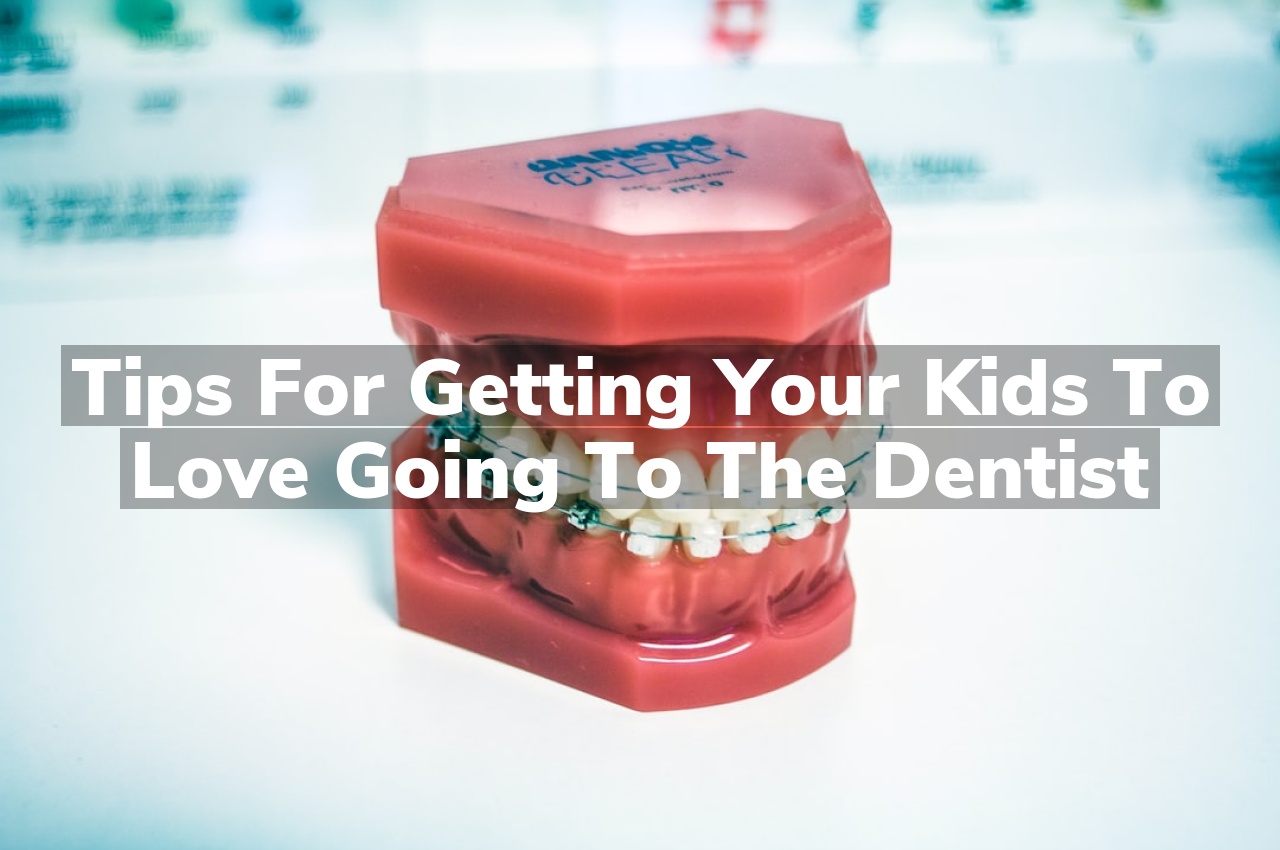
    Tips for Getting Your Kids to Love Going to the Dentist

    Are you looking for ways to get your kids to love going to the dentist? Comprehensive Dental Care has the perfect tips to help your family develop a positive attitude towards dental care and make it a fun experience for everyone.

    Make a Fun Experience

    Getting your kids to look forward to their dental appointments can be a challenge. One of the best ways to help them enjoy going to the dentist is to make it a fun experience. Try to create an atmosphere that is relaxed and inviting. Let your kids get to know the dentist and staff, and have them ask questions that they may have. You can also explain the importance of good oral health and the benefits of regular visits to the dentist.

    Another great way to make going to the dentist fun is to bring along a toy or game. This will help to distract your children during their appointment and make them feel more comfortable. You can also encourage your kids to read up on dental hygiene and learn more about it. Doing this will help them to understand why it is important to take care of their teeth. Additionally, consider reading them stories about going to the dentist or watching movies that feature positive dental experiences.

    In addition to making it a fun experience, it is also important to make sure that your kids are getting the best care possible. That’s why it is a good idea to find a family dentist who can provide comprehensive care for your entire family. Family Dentistry: The Key to a Lifetime of Good Oral Health is a great resource for learning more about the importance of finding a family dentist. With the right care and a little bit of fun, your kids will soon look forward to their dental appointments.

    Explain the Benefits

    Explaining the benefits of regular dental visits to your children can help them understand why it’s important to take care of their teeth. Taking care of their teeth now will help them maintain healthy teeth and gums for years to come. Regular cleanings and checkups can help detect any problems early and prevent more serious issues from occurring. Additionally, visiting the dentist regularly can help kids learn proper brushing and flossing techniques.

    At Comprehensive Dental Care, we strive to make the dental experience as positive as possible for every patient. Our friendly staff is dedicated to providing excellent care in a comfortable and welcoming environment. We understand that going to the dentist can be an intimidating experience, but our team is here to make sure your visit is enjoyable and stress-free.

    Use Positive Reinforcement

    Positive reinforcement is an effective way to get your kids to look forward to visiting the dentist. Offer rewards for good behavior and explain to them how important it is to take care of their teeth. For example, you could offer a sticker or a treat for each visit. When you do this, make sure to explain why they are receiving the reward – to show them that you appreciate their efforts and to emphasize the importance of good oral hygiene. Additionally, you can praise your children for their good behavior during their appointment. This will help to create a positive association with the dentist and make them more likely to attend future appointments.

    Involve Your Kids

    Encourage your kids to help plan their dental visits by letting them pick a date and time that works for them. Involve them in the process by letting them pick out a toothbrush or toothpaste they like. This will help make them feel more in control and comfortable with the dentist visit. Additionally, talk to your kids before the appointment and let them know that the dentist is there to help keep their teeth healthy.

    Choose the Right Dentist

    Choosing the right dentist for your children is the first step in getting them to look forward to their dental visits. Make sure to find a pediatric dentist who is experienced and specifically trained to treat children. When selecting a dentist, look for one who is friendly, patient, and who can make your children feel comfortable. Find a dentist who offers a relaxed atmosphere and takes the time to explain procedures in a way that your kids can understand. Additionally, look for a dentist who is willing to answer your questions and concerns.

    Conclusion

    For more information on how to keep your child’s smile healthy during the winter, contact Comprehensive Dental Care at 219-663-1207 or read reviews on Google Maps.

    Kickstart

    November 7, 2023
  • Family Dentistry: The Key to a Lifetime of Good Oral Health

    Family Dentistry: The Key to a Lifetime of Good Oral Health

    Have you ever wondered how to ensure a lifetime of good oral health for you and your family? Comprehensive Dental Care believes that family dentistry is the key to achieving this goal.

    Benefits of Family Dentistry

    Family dentistry is a great way to ensure that everyone in your family has access to quality oral health care. Not only does it provide an opportunity to get regular check-ups and cleanings, but it also allows for early detection of any dental problems that may arise. With this type of care, the dentist can diagnose and treat problems before they become more serious and costly. This not only saves time and money, but also helps to ensure that everyone in the family has healthy teeth and gums.

    Family dentistry also helps to build trust and understanding between the dentist and the patient. By seeing the same dentist, the patient can develop a relationship with them, making them more comfortable and confident when it comes to discussing their oral health. It also allows the dentist to get to know the patient and their specific needs, so they can provide the best possible care. If you want to make sure your family has good oral health for a lifetime, family dentistry is the key. To learn more about how to avoid costly dental problems, click here for helpful tips.

    Dental Habits in Childhood

    Good dental habits start from a young age. It is important to teach children how to properly care for their teeth and gums as soon as they begin to learn. Family dentistry can help parents and guardians ensure that their children are developing the necessary habits to have a lifetime of good oral health.

    Regular dental visits, brushing and flossing twice a day, and avoiding sugary snacks are all habits that should be instilled in children from a young age. A family dentist can provide advice on how to help your child maintain good dental hygiene and can detect any issues early. Early detection can help to prevent more serious problems from developing in later years. Comprehensive Dental Care can provide the necessary resources and guidance to ensure your child’s dental health is taken care of.

    The Role of the Family Dentist

    Family dentists play an important role in keeping you and your family healthy. They can provide comprehensive oral health care services, from preventive care to restorative treatments, to keep your teeth and gums healthy. A family dentist can also help you establish a good oral health routine and detect any problems early on, helping you avoid costly and painful treatments later on.

    Preventative Care and Education

    Family dentistry is an important part of maintaining good oral health for all members of a family. Through regular check-ups and preventive care, family dentists can identify and address potential problems before they become serious and costly to treat. Family dentists can also provide education on proper oral hygiene practices, such as brushing, flossing, and eating a nutritious diet, which can help to reduce the risk of developing tooth decay and other dental problems. Family dentists can also provide support and encouragement to help families maintain a lifetime of good oral health.

    The Cost of Family Dentistry

    Family dentistry can be an affordable way to ensure your family’s oral health is taken care of. Depending on the type of services you require, the cost of family dentistry can range from a few hundred dollars for a routine check-up to a few thousand dollars for more complex treatments. Many dental insurance plans cover a portion of the cost of family dentistry, making it a more economical choice than individual visits. Additionally, some dentists offer payment plans to make larger services more affordable.

    Conclusion

    For more information on how to keep your child’s smile healthy during the winter, contact Comprehensive Dental Care at 219-663-1207 or read reviews on Google Maps.

    Kickstart

    November 7, 2023

Comprehensive Dental Care

Proudly making smiles brighter in the Crown Point area.

Book An Appointment

Contact

301 S. Court St Crown Point, IN 46307

(219) 327-4448

Services

  • Cosmetic Dentistry

  • Emergency Dentistry

  • General Dentistry

  • Pediatric Dentistry

Hours

Monday: 8 AM–5 PM
Tuesday: 8 AM–5 PM
Wednesday: 8 AM–5 PM
Thursday: 8 AM–5 PM
Friday: Closed
Saturday: Closed
Sunday: Closed

© 2026 Comprehensive Dental Care. Privacy Policy